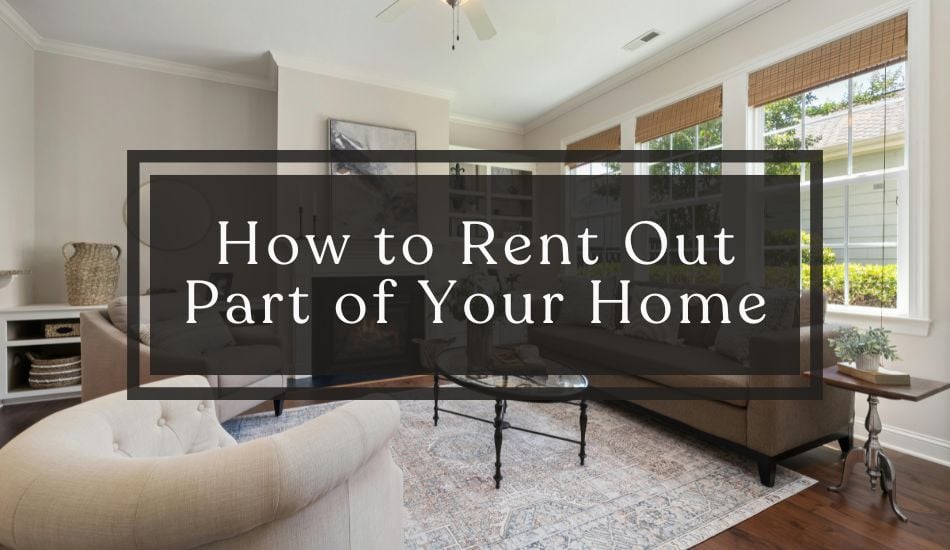
Have you ever considered renting out a part of your home? It’s easier than you might think. Learn the steps to rent out an accessory unit or a spare bedroom in this article, where we cover landlord-tenant law, drafting a lease, and tenant screening.
Renting out a part of your home is a common way for property owners to help alleviate the strain of paying a mortgage and bills. It is also common in families that have adult children or older family members who want to rent a room. Additionally, some new landlords use this method as a first step toward becoming a housing provider, as renting a room in one’s own house is an affordable option for many property owners seeking to become landlords.
Renting out a part of your home can take multiple forms. Some landlords rent out finished basements, mother-in-law suites or other ADUs (accessory dwelling units), and some will simply rent out a bedroom in their house with the understanding that amenities such as kitchens will be shared with the other residents.
Regardless of the specific method, it is important to understand your landlord-tenant laws, draft a solid lease agreement with the help of a lawyer, and select and communicate with your tenants carefully. This article will help you understand how to rent out part of your home, whether it’s to begin your landlord journey or to simply get value out of otherwise unused space in your home.
Understand Landlord-Tenant Law
The first and most important step in any landlord’s journey is learning about landlord-tenant law. Research your individual state and municipality and create a strong relationship with an experienced legal professional. You should understand federal laws, including Fair Housing laws, state laws, and any and all city or county-specific laws, especially if you live in a highly regulated area, such as large cities in New York or California, where landlord-tenant laws are often strict and quite nuanced.
Depending on your specific situation, there may be laws that apply to your form of rental. The process of renting out ADUs may be different than the process of renting a finished basement or a bedroom. As a general rule, it is important to keep in contact with an experienced legal professional and always keep up-to-date on any upcoming changes to the laws you fall under. Having a solid understanding of your area’s laws ensures that you can navigate your impending landlord-tenant relationship with ease. Joining a landlord association in your area can also help you keep up with changes in your local market and its laws.
Learn more: Top 10 Landlord-Tenant Laws to Remember
Draft a Lease
This task is another one where legal consultation may be necessary. Experienced lawyers can help you create a lease to protect yourself, your property, and your future tenant from any legal issues. A good lease will lay out the rules of their tenancy, provide information for the most likely problems to come up, and specify dates and rules for their tenancy.
If you are renting out a room or another situation in which you would be sharing a lot of space with the renter, you may also want to lay out house rules for all involved to follow. In addition to the development of a lease, you should work together with everyone in the house to develop a list of reasonable list of house rules and expectations, which should be shared with prospective tenants before they move in. Be aware that your house rules should still be reasonable and fall within the laws and regulations of your area. You and your tenant or tenants should all agree on these rules before the move-in date.
Learn more: Top Tips for Negotiating Leases with Your Tenants
Find and Screen Prospective Tenants
To find prospective tenants, you can advertise on a variety of websites catering to renters or on your preferred social media sites. When writing these advertisements, be sure to tell your prospective renters who they may be living with and the proximity to those roommates, including yourself. As you would with any rental property, describe the space, share the amenities you offer, and outline some of the lease requirements, such as pet friendliness or whether or not smoking is allowed.
Screening potential tenants is important regardless of who will be occupying the property, but it is exceptionally so when not every member of the household knows one another before moving in. Roommate situations rarely involve every member of the household knowing one another well before move-in, so thorough tenant screening is essential. While you would become a landlord, you would also be a roommate if you rent out a room in your home, and would be in close proximity to the tenant or tenants. As such, you should consider the safety of yourself and your family when screening.
Learn more: The Comprehensive Guide to Tenant Screening | Video Roundup
Final Thoughts
Renting out a part of your house is an exciting first step toward becoming a landlord and a far more accessible path to landlordship than buying a second property, making it an excellent decision for those with extra space in their homes or ADUs on their property. When considering this option, make sure you know your path forward and exercise caution in your tenant screening process to guarantee the best possible outcome. As a final note, remember to check with your homeowner’s insurance company to see if you should purchase landlord insurance, as you would with any other property you would rent out, and consider enforcing a renters insurance requirement to give yourself an additional layer of protection for your home.