Have you ever had a difficult neighbor? Handling bad neighbors can be challenging, but there are many courses of action you can take to resolve neighbor disputes. This article will cover your options for responding to conflict with those in your neighborhood or rental community.
Bad neighbors can make the difference between a wonderful living situation and a nightmare. Whether it’s a nosy neighbor looking over your fence or a second-floor apartment resident who seems to stomp everywhere they go, everyone has had a bad neighbor experience at least once in their life. Fortunately, there are many helpful strategies that you can use to resolve your neighbor issues.
While most neighbor difficulties are minor frustrations that can be handled personally, there are occasional issues where neighbors can be dangerous. If you ever suspect that you are in danger, contact the police immediately, then contact your landlord when the immediate situation has been resolved, and disregard other steps.

Communicate With Your Neighbor
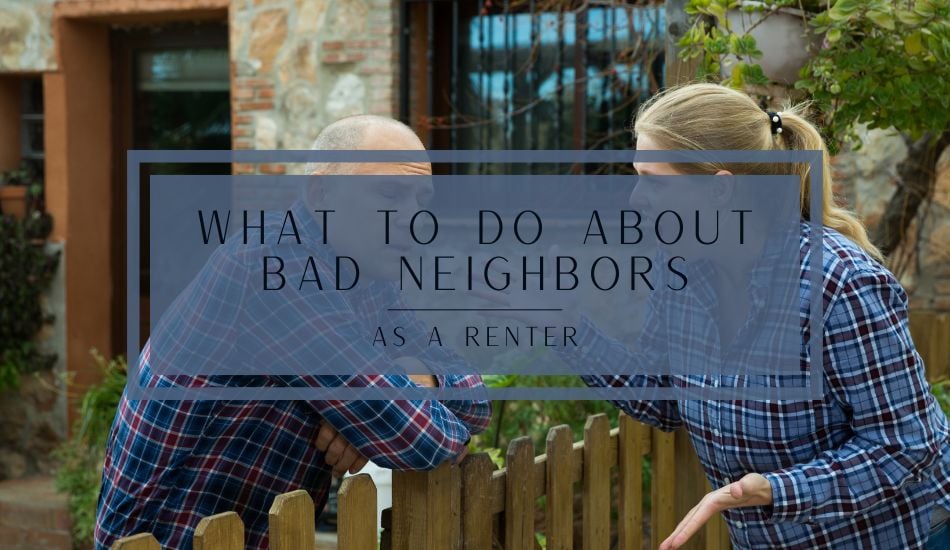
Many neighbor problems come down to simple communication issues. Add in the common use of notes where tone is difficult to gauge and the frustration of a repeated problem, and neighbor disputes becoming heated seems almost entirely expected. This is why it is essential to attempt communication face-to-face in a friendly, respectful manner. Find a time to talk to your neighbor when you are calm and politely inform them of your grievances. Sometimes that noisy neighbor doesn’t realize quite how loud their music or footsteps are, and letting them know how much you hear can be a necessary wakeup call. Similarly, it’s not uncommon for boundary-crossing neighbors not to realize how their behavior affects you.
If you are dealing with a recurring issue or you deem it necessary, record this conversation (remember your recording consent laws) for later reference. If your attempts at mediation are unsuccessful, this can serve as evidence that you tried to resolve the issue should it become necessary. Calm, polite, and reasonable conversations should be the first step to resolving these disputes, as not every neighbor is aware that they’re causing you trouble, such as in cases of noise complaints or problems with where the neighbor is parking. It may be necessary to communicate with your neighbor more than once before escalating to other means of resolving your issues.

Document Everything
As with most disputes, documentation is essential. With timestamped photos and videos, document your grievances and your attempts at resolution. Take photos of any damage to your property, disruptive acts, or letters they may have sent you, record any audible disruptions (loud music or footsteps, for example) or other problems that benefit from being recorded, and always keep your cell phone handy in case you need to document anything else. These documents might be necessary to prove your case to your landlord or any other authority figures who can help you.
Contact Your Landlord or HOA
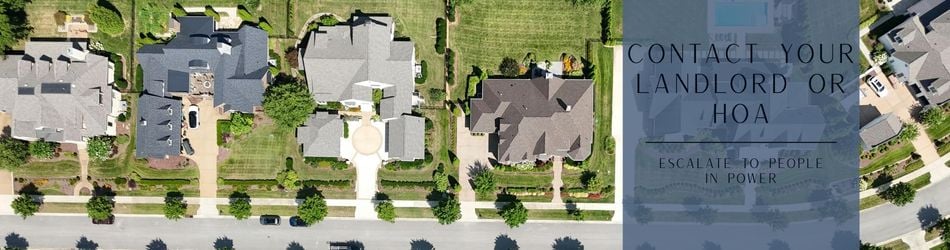
While not every noisy or disruptive neighbor is a fellow renter, if they are, your landlord should handle the issue. If you both live in an apartment complex, the landlord should be managing the problem and responding to your concerns. They can enforce property rules, such as those regarding noise and disruptive behavior, and handle unruly tenants on your behalf if needed. If your neighbor rents from a different landlord, your landlord may be able to contact that landlord and inform them about the tenant’s behavior.
If your neighbor isn’t a renter, it may be possible to contact your HOA, if your neighborhood has one. Some HOAs have noise ordinances or other rules prohibiting rude or disruptive behavior. This contact could help you resolve your disputes and prevent further activity.

Contact Non-Emergency Police Line
If all else fails and you cannot get your neighbors to stop their disruptive behavior, or you have no HOA to report the behavior to, you can contact your local police department’s non-emergency line. From here, you can make noise complaints or inform them of disruptive behavior. The police can communicate with your unruly neighbor on your behalf, and there may be some fines that their behavior could incur. If nothing else, a police response to poor neighbor behavior could prevent them from repeating the activity.
Be aware, however, that if you call the police on your neighbor, the relationship between you will probably be permanently soured. Any hope you might have of building a positive relationship with your neighbor will be damaged once you’ve requested police intervention. It is very difficult to rebuild a relationship after a police interaction, so consider this route very carefully before you take it.
Learn more: Right to Implied Warranty or Covenant of Quiet Enjoyment | Clause Breaches & More

Final Thoughts
Bad neighbors can make your tenancy quite difficult and frustrating. They can disrupt your experience in your home, damage the property, and otherwise cause trouble. But you have solutions. You can communicate with your landlord, document the situation, contact local police, and take many steps to restore your peaceful enjoyment of your home.