
If you’ve ever made an expensive mistake as a landlord, you know the importance of being aware of the risks before you make certain decisions. Explore the five most expensive mistakes a landlord can make and learn how to avoid them. Mistakes can include not screening tenants, being unfamiliar with landlord-tenant laws, not requiring renters insurance, not inspecting the property regularly, and having a weak lease agreement.
Most landlords make a few mistakes in their careers, but most are minor and easily corrected. Unfortunately, some landlords have made much more expensive mistakes than others. While these mistakes are avoidable, not everyone is aware of them early enough to avoid paying the price for expensive repairs, cleanings, or even legal fees.
Common mistakes for landlords include problems with tenant screening, overly permissive leases, or a lack of awareness of landlord-tenant laws, which can result in legal disputes with tenants. Fortunately, they are easy to avoid if you know what you are facing and are aware of the risks before you encounter them. Here are the most expensive mistakes that landlords can make and how to avoid them.
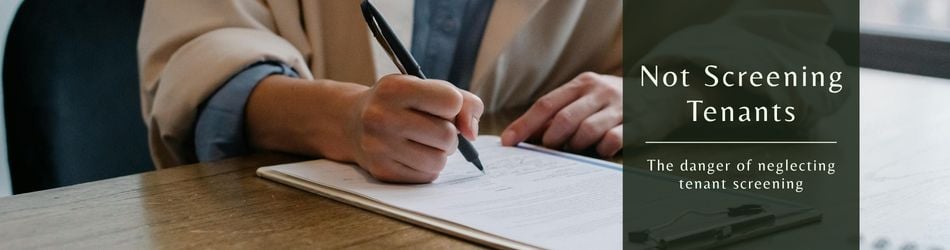
Not Screening Tenants
Tenant screening is the first step in protecting yourself and your property from massive potential damages and financial losses. If you do not screen your tenants, you open yourself up to the possibility of dangerous, violent, or otherwise damaging tenants moving into your property, which can cost you money due to property damage or legal proceedings if you need to evict or otherwise take legal action due to the tenants’ behavior. Beyond the financial aspects, a bad tenant could also cause harm to the neighborhood you own in, reducing property values and souring your relationship with the other homeowners in the neighborhood.
While tenant screening is not a perfect guarantee of good tenant behavior, it is an excellent step you can take to prevent harm to your property and business. Tenant screening can ensure that your tenants have no history of violent crime, credit issues, or other legal issues that may result in problems for you as a housing provider.
Learn more: The Comprehensive Guide to Tenant Screening | Video Roundup
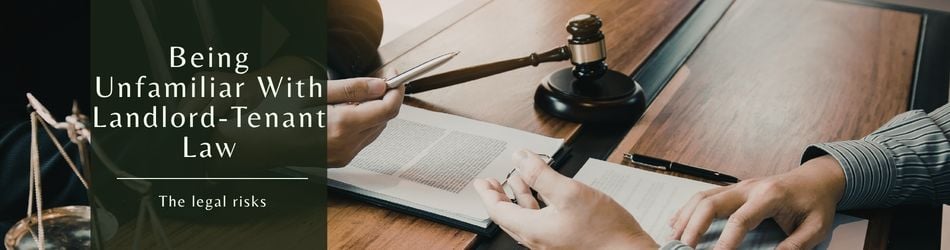
Being Unfamiliar With Landlord-Tenant Law
Any landlord should know the landlord-tenant laws of their area, as well as national laws. You should look into these laws before you purchase your first investment property, and maintain awareness of them throughout your career as a landlord. These laws can change quickly, meaning that it’s extremely important to know what laws you fall under.
Not being familiar with these laws can cause you a lot of trouble in the long run. Landlord-tenant laws provide certain protections to tenants in many circumstances, and violating them could easily result in lengthy court proceedings, which can cost you a lot of money, as well as come with additional problematic consequences. In order to prevent this problem, it is essential to know and keep track of landlord-tenant laws. Develop a relationship with a lawyer familiar with landlord-tenant laws and bring in their assistance whenever you are unsure of any course of action.
Learn more: Top 10 Landlord-Tenant Laws to Remember
Not Requiring Renters Insurance
Renters insurance protects you and your tenants from the dangers of disasters or accidents. Tenants’ belongings, cars, pets, and other similar possessions are covered by renters insurance, which also means that you will be safe from liability issues if something happens to the property.
If you do not require your tenants to have renters insurance, you may be held liable for damages if an accident or disaster occurs. Some tenants get renters insurance even if the lease doesn’t require it, but many will not get insurance unless it is written in the lease. If you want to ensure you have coverage for these unpredictable events, require your tenants to have renters insurance.
Learn more: Renters Insurance Benefits and Why You Should Require It
Not Inspecting the Property Regularly
Property inspection is the ideal way to ensure your property is being properly cared for. While you do not need to inspect your property constantly, an annual or semi-annual inspection can prevent a host of problems and guarantee your home’s safety. Just knowing that you inspect the property regularly is a strong enough motivator for many tenants to ensure that they take proper care of their property.
Additionally, regularly conducting property inspections is beneficial because it allows you to see and address any issues before they cause damage. A tenant may not deliberately damage the property, but they may not notice other issues that a landlord would need to address. Gradual water damage or maintenance that needs to be addressed may not always be reported or noticed by a tenant, which could result in costly repairs if something breaks. As such, it is important to inspect your properties regularly so you can search for possible future problems to resolve.
Learn more: Rental Property Inspection Checklist for Landlords and Property Managers

Having a Weak Lease Agreement
A lease agreement that doesn’t cover all likely scenarios can leave you open to many potential stressors. Your lease should serve as a guide for most problems that may come up for tenants. Because of its importance, having a lease without these guidelines may leave you without knowledge of what to do in these situations. When creating a lease, it is ideal to work with an experienced legal professional to ensure the lease is strong and enforceable.
Some states also require landlords to outline rules and consequences for late rent payments and other similar scenarios in the lease, or they will be unenforceable. Similarly, rules like those surrounding pets, long-term guests, and changes made to the property often cannot be enforced without a lease. If you try to enforce these rules without them being outlined in the lease, you may find yourself involved in court proceedings, which can cost a lot of money, or paying to fix unexpected damage.
Learn more: Differences Between Rental Agreements, Leases, and Subleases

Final Thoughts
There are many expensive mistakes that a new landlord can make, often resulting in legal fees or damage to the property. Fortunately, these mistakes are all easily avoidable if you prepare for them ahead of time. Awareness is the best way to avoid mistakes, and learning about your profession is an excellent way to become more aware of common mistakes in your industry and how to avoid them.
Have you made any expensive mistakes as a landlord? Share your story in the comments section to help your peers avoid making the same mistake.