
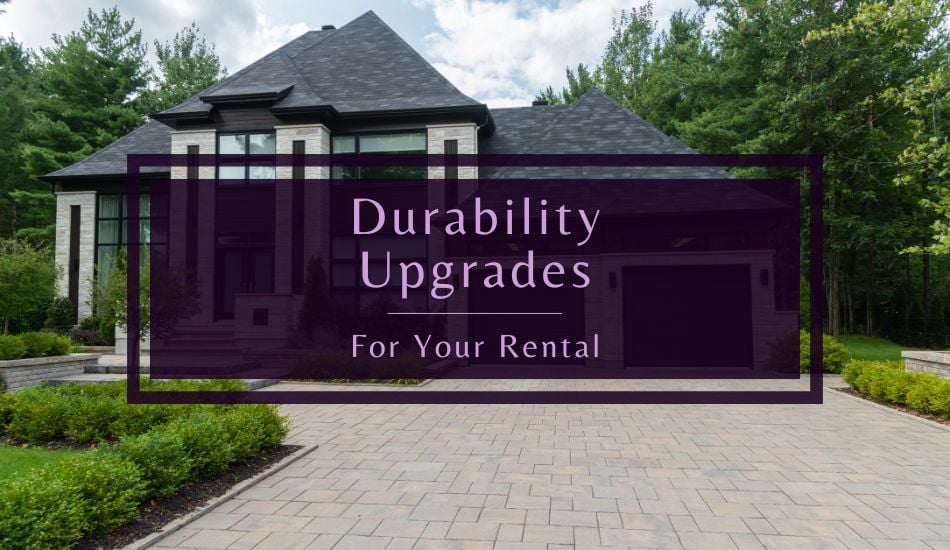
Thinking about upgrading your rental property? Consider upgrades that increase your property’s durability and prevent your tenants from damaging it. Explore your rental upgrade options, including counters, blinds, paint, and flooring.
When you own a rental property or multiple rental properties, making repairs, replacements, and upgrades is a common occurrence. However, when you make these repairs or upgrades, you also have an opportunity to make decisions about the durability of your property.
Upgrading your property to last longer and hold up to tenant move-ins, move-outs, and the general wear of everyday life can be highly beneficial. If your property can go longer between repairs and maintenance tasks, you can save money in the long run. Additionally, your tenants will appreciate the safety of their security deposit being more certain.
If you want to upgrade your rental property, consider upgrading for durability. Think about the quality of your paint, flooring, countertops, and other easily-damaged areas of the home that can be fortified. As an additional benefit, these durability upgrades can be marketed as rental incentives to encourage more renters.
Learn more: A Brief Guide to Rental Incentives
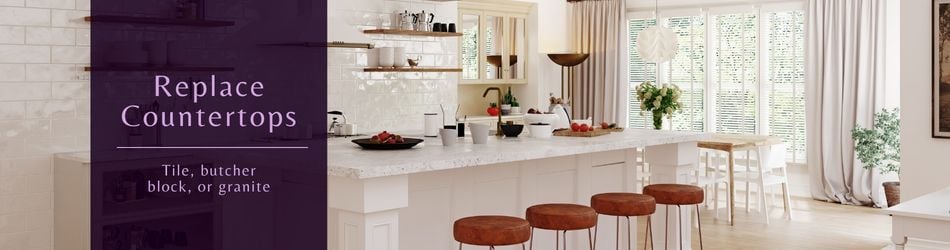
Replace Countertops
Laminate countertops are notoriously easily damaged and stained, so consider replacing any laminate countertops with a higher-quality material. Tile or butcher block countertops are generally considered better quality than laminate, and less likely to be damaged than laminate, but not as expensive as a granite or marble countertop.
Fortunately, upgrading your countertops is an easy way to also upgrade the value of your home. High-quality countertops attract prospective renters and improve your home investment. Quartz or marble countertops are probably the best option, but they can be expensive, making them a less accessible upgrade option, especially if you have many units.
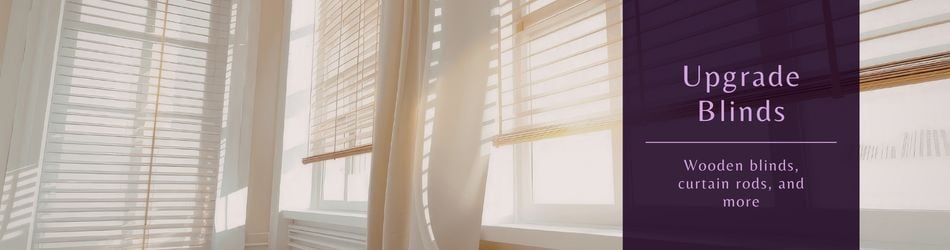
Upgrade Blinds
Plastic blinds break easily, so consider replacing them with stronger blinds made of wood or perhaps removing them entirely. These are among the most commonly damaged items in a home, so replacing them is an easy way to address the issue. If you choose to remove blinds, consider adding curtains or a curtain rod to your property, as many tenants will still want to have privacy. If a curtain rod doesn’t come standard, a tenant may attempt to install one by themselves, which puts you at risk for potential damage.
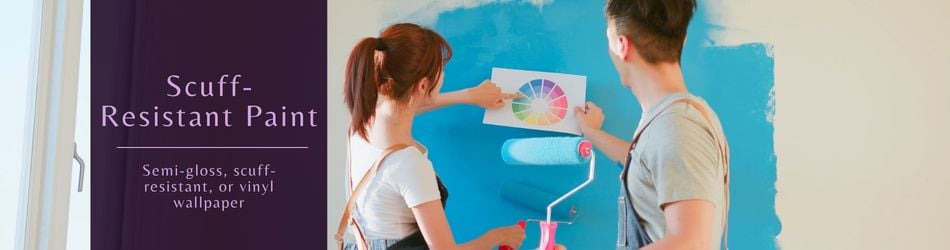
Scuff-Resistant Paint
Living in a property tends to come with wear and tear or minor damage. Move-ins, redecorating, or even holiday decorating can cause wall damage. Additionally, children and pets are often messy and may make messes on your walls.
Scuff-resistant paint can help tenants avoid damaging their walls when they move into or out of a property. You may also consider easily washable semi-gloss paint or vinyl wallpaper as an alternative that will make cleaning up easier. This is especially helpful with the aforementioned children and pets, as parents or owners can clean up after their little ones with ease and avoid damage or the loss of a security deposit.
Learn more: How to Choose Paint for Your Rental Property
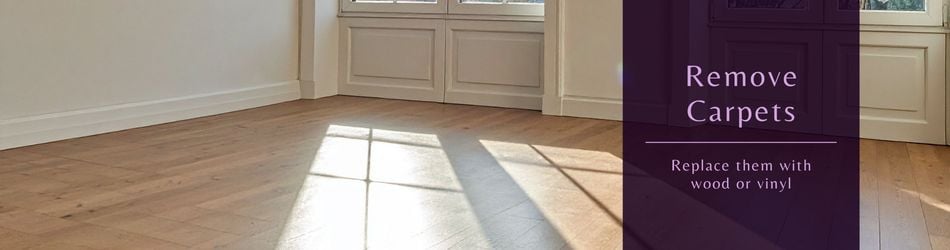
Remove the Carpet
Carpet is easily damaged and stained by renters, and needs to be replaced often, even if it isn’t damaged. You can never predict how a tenant will treat your flooring, so preventing that flooring from being damaged as much as you can is best practice. Replacing it with wood or laminate flooring is another option to increase your home’s durability and reduce the visible wear and tear of tenants.
This is an especially beneficial upgrade if you frequently rent to families with pets or young children, as they are more likely to damage carpets accidentally. Perhaps the wisest course of thought when considering flooring is to ask yourself if your selection would hold up to notoriously staining materials. Red wine, food grease, or other similar stains are excellent points of reference for considering how your flooring will hold up.
Learn more: Practical Tips to Pet-Proof Your Rental Property
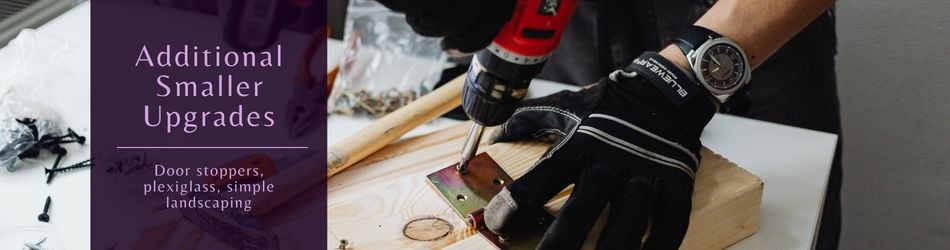
Additional Small Upgrades
Numerous small upgrades can help protect your property from damage, such as:
- Door stoppers behind every door
- Replace glass and screen doors with plexiglass
- Keep landscaping simple
Making these upgrades is a fairly easy way to prevent damage before it occurs. These are fairly easy, while others are higher-effort and more time-consuming, but they can all be extremely beneficial.
Final Thoughts
Property upgrades provide a perfect opportunity to make your property safer, more durable, and tenant-friendly. Consider these and any other upgrades you can think of to protect your properties. Remember, any upgrades you make can not only protect your property from damage, but they can also increase the overall value of your home. If you have any preferred suggestions for property improvements, feel free to share them with your fellow housing providers in the comments.




I love the focus on durable upgrades! Investing in materials that withstand wear and tear is not just smart for landlords but also benefits tenants, fostering a sense of home. Plus, it makes properties more sustainable in the long run. Have you considered energy-efficient upgrades as part of this approach? It could really elevate property value while reducing costs!