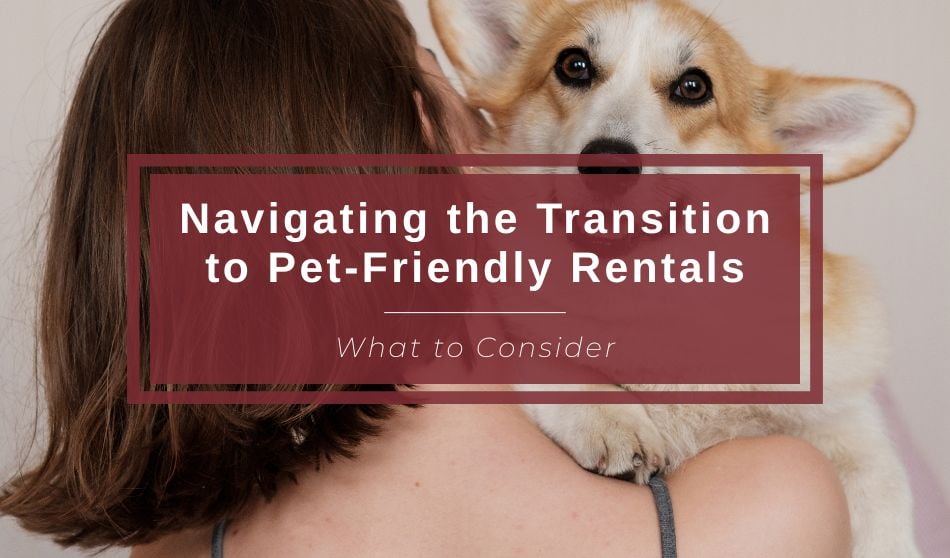
Learn how to transition your property into a pet-friendly rental and what to consider when making the change. From developing a pet policy to navigating pet screening and fees, be sure you understand best practices as you make the switch to allowing pets at your rental property.
If you have pets, you know the many benefits that having a furry friend can bring to your life. So why not extend those benefits to your renters? Pet-loving renters are a huge market, and catering your property to animal lovers can be a great choice as a landlord. However, when making your house or apartment pet-friendly, there are some details to consider.
As a pet owner myself and with a history of professional experience in pet care from my college career, I’ve seen a wide variety of dog breeds, behaviors, and personalities. I’ve worked with chihuahuas, mastiffs, and everything in between, including one wolf mix. From that experience, I learned a lot about caring for dogs, especially large breeds, and their needs.
Pets can benefit your mental, emotional, and even physical well-being, and, according to one study, anywhere from 72% up to 90% of renters have pets. As a landlord, this means that the vast majority of your market owns or may want to own pets, so having a pet policy in place is a great idea, and will open up your property to a much larger market.
How to Tell if Your Rental is Right for Pets:
Not every property is right for pet owners. Apartments may not accommodate large or active dogs, for example, but they may be perfect for small or calm breeds, or for cat owners, because they won’t require as much space as large, active dogs.
However, if you’re renting out a single-family home or townhouse, you may want to consider allowing larger dogs. This can be exceptionally helpful to large dog owners if you have a fenced yard. Similar accommodations can be made with shared yards, nearby dog parks, or other similar places for dogs to get exercise.
An additional aspect to consider is your insurance policy. Some policies do not cover certain dog breeds, which might mean that, regardless of your feelings about certain breeds, allowing them into your rental could be a risk. If breed restrictions are a problem for you, seek out insurance policies that do not restrict based on breeds.
When it comes to pets like fish, birds, and reptiles, you should also consider what is right for your property. Ask yourself if you want to allow large fish tanks for fish that require lots of space or a smaller tank for something like a betta. Decide if you are willing to allow animals like birds, which are often loud and social, and could annoy other tenants in apartments. Reptiles, especially large or venomous ones, could pose health risks to your tenants or their neighbors if improperly housed.
Developing a Pet Policy:
Regardless of whether or not you want to have a pet-friendly rental, there is a substantial chance that you will have at least one tenant who breaks that policy. A study of 1,000 adults found that 25% have hidden pets in the past, according to The Independent. With this in mind, implementing a pet policy is the best way to ensure that you have rules and preparations in place. Additionally, with a pet policy, you can charge pet rent or a pet deposit, which can cover potential damage related to the pet.
When developing your pet policy, you should consider what your property can accommodate. If you have a small space, you may not want to allow dogs over a certain weight or breeds that are known for being highly active. An unfulfilled pet is far more likely to damage property than a pet whose needs are met.
Of course, nothing is guaranteed with a breed-related policy. Not every dog from a working breed is going to be highly active, and not every companion breed is going to be calm. Additionally, mixed-breed dogs’ personalities often cannot be predicted at all. With the increased trendiness of “designer dogs”, such as poodle crosses (or doodles), and many people preferring to adopt from animal shelters rather than buy from breeders, mixed breeds are just as common as purebred dogs, if not more so.
Often, a pet policy comes down to the owner more than the animal. Some pet owners are highly active people who would have no trouble fulfilling their pet’s needs without a yard or a large home, while others rely on a yard to allow their pet to exercise. With this in mind, consider implementing a policy requiring pet screening.
Learn More: Practical Tips to Pet-Proof Your Rental Property
Pet Screening and Fees:
Pet screening should generally be done on an individual basis. Breed has an impact, especially if your space is small and your tenant wants to move in with a large, active animal, but individual personality should be considered.
When screening pets, you should ask your prospective tenants to inform you of the animal’s breed or breeds, age, weight, health, and training, as well as whether or not the animal has been spayed or neutered. Additionally, any behavioral issues should be documented and disclosed. If possible, try to meet the animal and assess its behavior for yourself.
It is also best practice to ask the owner about their caretaking and schedule, which will help you determine if the animal will be a risk to your property. In an ideal situation, the animals won’t be left unattended for extended periods, receive daily enrichment, and have been fully trained. Some busy pet owners utilize resources such as dog walkers, pet sitters, or doggy daycare facilities to ensure their furry friends aren’t left home alone for too long.
Common pet-related fees are either one-time deposits to cover any potential damages or ongoing pet rent to pay for the additional wear and tear that an animal causes to a property. Some landlords or property managers use both of these methods, while others pick only one.
Learn More: Pet Screening for Landlords and Renters
What to do if Your Tenant Gets a Pet After Moving in:
A tenant should always ask the landlord before bringing a new animal into the home, but bringing a new pet into the house poses some potential concerns. Neither you nor the tenant will have an in-depth knowledge of the animal’s personality in advance. You should take this opportunity to lay out some rules surrounding your tenant’s pet.
An animal that is not yet house-trained will undoubtedly have accidents on the floor until their training has been completed. Other similar training issues, such as chewing or other destructive behavior, are common among untrained puppies and kittens. These may warrant the addition of certain new rules, deposits, or pet rent.
Discuss these possibilities with your tenant and research the breed your tenant wants. If the tenant wants to rescue from a shelter or otherwise get an older pet, ask what they know about the animal’s behavioral and medical history and status.
Final Thoughts:
Whether it’s a cat, dog, or exotic animal, pets are excellent for the well-being of your tenants. With proper precautions and rules set in place, making your rental friendly to pets and their owners is a breeze. Attract more tenants by creating pet-friendly homes in your community.