
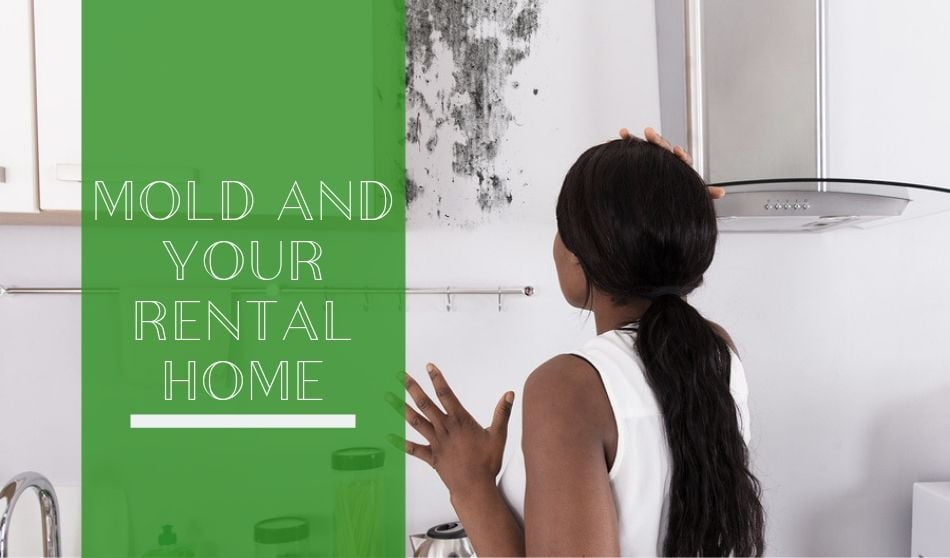
 Mold is one of the most controversial environmental hazards that creates big problems landlords – from expensive property damage and lost rent to multi-million dollar tenant lawsuits for mold-related illness.
While a landlord is legally tasked with maintaining habitual premises for all tenants, responsibility and liability for mold control has been debated as to a tenant vs management responsibility. Nolo notes that only a few states and municipalities have specific laws about a landlord’s responsibility regarding mold maintenance.
Even if your state does not have any mold specific laws, monitoring your rental home’s moisture level and managing any mold issues immediately will prevent property damage, keep your tenants healthy, and help you avoid any tenant disputes on the topic.
To further assist any landlord or property manager, we’ve put together some basic information about mold and your rental properties.
What is mold
- The Environmental Protection Agency states that molds are a natural part of the environment, and can be found everywhere, both indoors and outdoors. Mold is not usually a problem, unless it begins growing indoors. As a landlord, mold growth should not be tolerated in your property. If left untreated, the moisture and the mold will damage what it is growing on, including the building or your tenant’s belongings, and could pose serious health risks for your tenants.
- HGTV.com explains the common types of molds found in a home:
- The most common types of mold include aspergillus, cladosporium and stachybotrys atra (also known as black mold).
- Aspergillus is a fairly allergenic mold that is commonly found on foods and in-home air conditioning systems.
- Cladosporium is typically a black or green “pepper-like” substance that grows on the back of toilets, painted surfaces, and fiberglass air ducts. While this mold is nontoxic to humans, it can trigger common allergy symptoms, such as red and watery eyes, rashes and a sore throat.
- Stachybotrys atra is characterized by a green-black color. The CDC notes that “while [stachybotrys atra] is less common than other mold species, it is not rare.”
- The most common types of mold include aspergillus, cladosporium and stachybotrys atra (also known as black mold).
Where mold grows
- Molds can be found almost anywhere; they can grow on virtually any substance, providing moisture is present. There are molds that can grow on wood, paper, carpet, and foods.
- In the home, mold is most often found in parts of a building that are prone to moisture or ventilation issues, such as bathrooms and basements. Because of its fondness for a moist environment, indoor mold also tends to thrive following any type of flooding or extended moisture exposure, such as a roof or pipe leaking, drafty windows, or following a big storm.
What causes mold growth
- According to the CDC, mold can enter your home through open doorways, windows, vents, and heating and air conditioning systems. Mold in the air outside can also attach itself to clothing, shoes, bags, and pets can and be carried indoors.
Health concerns from mold
- Not all mold is toxic but the CDC explains that exposure to damp and moldy environments may cause a variety of health effects or none at all. Some people are sensitive to molds. For these people, molds can cause nasal stuffiness, throat irritation, coughing or wheezing, eye irritation, or, in some cases, skin irritation. People with mold allergies may have more severe reactions. Immune-compromised people and people with chronic lung illnesses, such as obstructive lung disease, may get serious infections in their lungs when they are exposed to mold.
What to do when you find mold
- The only way to prevent mold growth in your home is to prevent moisture build-up. Since mold is extremely common in our environment, you will most likely need to deal with mold management during your landlord career.
- Mold becomes dangerous if left untreated, so to protect your property and your tenants, if you find even a small amount of mold in your home you need to clean up the mold and fix the moisture problem immediately. Mold can be cleaned off non-porous materials like metal, but not from cloth, drywall or wood.
- Small mold or mildew infestations can be treated with a scrub brush and store-bought cleaner; a large infestation will require a tougher cleaner, as well as the removal of damaged surfaces, such as fabric or carpet.
- As a landlord, you should respond to all tenant maintenance requests about water leaks or damage and mold concerns.
- Provide your tenants with educational materials that explain the different types of mold and what they can do to prevent moisture in the home (like using proper ventilation and reporting water concerns immediately).
Mold Prevention Tips
- Keep humidity levels as low as you can—no higher than 50%–all day long. An air conditioner or dehumidifier will help you keep the level low.
- Be sure your home has enough ventilation. Use exhaust fans that vent outside your home in the kitchen and bathroom. Make sure your clothes dryer vents outside your home.
- Fix any leaks in your home’s roof, walls, or plumbing so mold does not have moisture to grow.
- Clean up and dry out your home thoroughly and quickly (within 24–48 hours) after flooding.
- Add mold inhibitors to paints before painting.
- Clean bathrooms with mold-killing products.
- Remove or replace carpets and upholstery that have been soaked and cannot be dried promptly. Consider not using carpet in rooms or areas like bathrooms or basements that may have a lot of moisture.
- Prevent condensation: Reduce the potential for condensation on cold surfaces (ie windows, piping, exterior walls, roof, or floors) by adding insulation
A landlord’s responsibility for mold
Mold or not, it’s the landlord’s responsibility to ensure that the property is habitable. Under the law, you’re required to maintain the property for your tenant and make necessary repairs such as fixing broken windows, leaky pipes and roofs. Fortunately, neglecting in these repairs is usually what causes mold, so as long as you stay on top of property maintenance, your property should stay mold-free
The CDC reminds us that “ a good sampling for mold can be expensive, and standards for judging what is and what is not an acceptable quantity of mold have not been set. The best practice is to remove the mold and work to prevent future growth.”
Bottom Line – If mold is growing in your home, you need to clean up the mold and fix the moisture problem.




My husband and I we tearing out some old cabinets in our basement, and there was a little patch of mold behind one of them. It’s not very bad, but we need to take care of it, so that it doesn’t get worse. Once we get rid of it, we’ll be sure to keep the humidity levels in our house as low as possible, so that we don’t have this problem again.
The explanation given by you through this blog was commendable. Also people should prevent molds in their homes as they could be the reason for nasal congestion , eye irritation and many other diseases. I suggest that if the people have mold in their homes then they should call professionals for its removal.
Toni
Someone did not level out our sink when they put it in nor do they still baseboard so and water sink and I looked online and I got rid of it, and I told them as soon as it happened and she had the nerve to tell me to stop doing dishes And don’t use the downstairs bathroom. Don’t let the kids use the downstairs bathroom and never ever came back and said OK we’re gonna fix it. Oh thank you for cleaning it up or anything. I can’t believe some of the things that I’ve done in this house for these people and the last interaction we had and she was doing an inspection and I’m telling her all this stuff that my husband did and he just replaced the bathroom downstairs because they wouldn’t do it and all of the Fosters were leaking and it was wet and mildew and we got that taken care of andshe was trying to call me a liar about who came through our property and who fix what and she didn’t know their name and I finally said you know I’m 48 years old I know I look young, but this is disrespectful for you to stand in my house and talk to me like this. I am not a plumber. I’m a stay at home mom so you can figure it out and you know what you’re welcome in the eight years. I’ve been here and all the things that I’ve done you’ve only been rude and you’ve never said thank you we replaced the refrigerator. My husband did the downstairs bathroom replace the toilet is better than my room. I was very jealous the floors he’s bought two rug doctors. We have area rugs so we do not mess up people for I tell my children who is now 25 and 30 when we were renting other people‘s property. You respect it keep your feet off the wall pick up things if you see something wrong. Let me know because problems can turn into bigger problems and you. God forbid when you do buy a property. Don’t want it to come back on you karma is for real and how you treat people and they things can happen to you. I’ve never not received which I’m very proud of my deposit back. We’ve only stayed at four properties because we stay a long time my husband and I’ve been together for 30 years and we’ve never not got our money back when we left the property as a matter of fact the last property, the man had me in tears in Natomas. He praise me so well and I’m just I don’t. I like to make people feel good when they leave me no matter I don’t care if we’re at a store I don’t care where we are and she just is so rude to everyone in my house even my mom was living with us. Didn’t she just walked past the room said who is that? I’m like my mom‘s on the lease. That’s my mother. That’s why we moved here so she could have a grandmother room downstairs. She’s just rude. I think Allmond words in up words, but yes, you want to get on me as soon as possible whether you’re a renter or not because those pores can get in your lungs and once I get on it, it doesn’t come back. I’ve never had to have anybody removing anything, but you definitely should take your health very seriously you never know what’s gonna happen down the line.