
If you’ve ever had a squatter on your property as a landlord or property manager, you understand the challenge of removing them. Learn how to prevent squatters on your property with this guide, covering home security, making the home look occupied, checking on it regularly, and what to do if you have squatters move in despite your best efforts.
Preventing squatters from moving into your property is a common concern for many landlords. Fortunately, there are a few steps you can take to minimize the risk of squatters moving into your property. Figuring out how to prevent squatters is essential to keep your properties safe, clean, and well-maintained.
Firstly, prioritizing and improving your home security and ensuring your home appears to be occupied are your biggest steps to prevent your property from being occupied by squatters. Checking on the property frequently is a good way to stay on top of the property’s status, spot damage, and catch squatters as early as possible. Finally, if squatters do manage to get into the property and claim that they live there legally, there are some steps you can take to get them out as easily as possible.
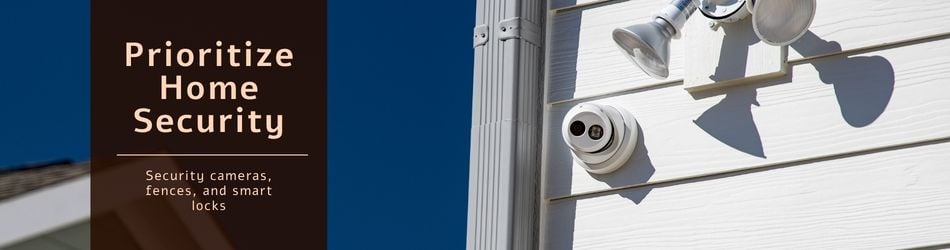
Prioritize Home Security
Protecting your property from invasion is the first step to preventing squatters. Invest in a doorbell camera, security cameras, or advanced locks to prevent squatters from getting into your house. If you can spot and prevent any potential squatters early, you have the best odds of not having to fight to have them removed. Even just posting a sign from a home security company can prevent squatters from even attempting to break in.
Better yet, if you can install fences, gates, and smart locks, you can protect your home even more strongly. Additionally, while vacancy insurance may not protect from squatters outright, it may be able to cover some damage that comes from them, such as vandalism. A no-trespassing sign may help you not only deter squatters but also prove that any squatters you do find on your property knowingly trespassed.
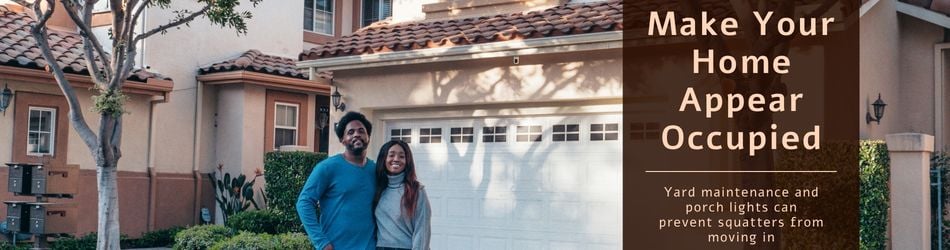
Make Your Home Appear Occupied
An occupied home will be extremely difficult to squat in, so most squatters won’t bother with a house that appears to be lived in. Ensure your property appears to be occupied to reduce the chances of a squatter moving in.
Keeping motion-activated lights on at the house can help it to appear occupied, as well as lights on timers that periodically turn on and off to imply that the house has regular occupants. You can achieve similar effects by leaving a car in the driveway frequently and visiting frequently, so that any would-be squatters see that the property is not abandoned and that they wouldn’t be able to move in without being caught. Keep the yard maintained to ensure the property doesn’t appear unkempt or abandoned.
Learn more: Understanding Rental Vacancy for Landlords and Investors

Check on Your Property Regularly
Regularly keeping an eye on your property helps you to prevent potential squatters from establishing squatters’ rights. The timeline for the establishment of squatters’ rights varies by state, but regular check-ins can help in all circumstances. If your security procedures fail and someone moves in without permission, you will catch them early on with regular visits to the property. Removing these people as quickly as possible will make the process much easier than it would be if they were able to live at the property for months.
While squatters’ rights are established at different times in different states, checking on your property once every week or every other week can be an ideal way to prevent squatters from moving in.
What to do if Someone Moves in
While precautions will prevent the vast majority of squatters, there may still be cases of them managing to get into your home. Or, alternatively, if you haven’t made use of these prevention methods yet, maybe you already have someone living there. While the specific state you live in may affect how you can respond to a squatter, there are some steps you can take that are universally beneficial.
If a squatter moves into your property despite all precautions, you should:
- Document everything you can: Use security camera videos, document the date they moved in, and document any damage they may have caused moving in. Take photos and videos, record conversations (if possible – check your local laws about one or multi-party consent), and bring witnesses with you when handling these disputes. This will help you build a case to get them out.
- Contact the police: Call your local police department and complain. They may not be able to do anything immediately, but ensuring they are aware of the situation can help you remove squatters.
- Speak to the squatters: You may be able to resolve your squatter problem with a calm conversation, but even if you cannot, assuming you can record the conversation or bring witnesses, you may be able to establish that the squatter is aware they are occupying the property without your consent.
- Issue a notice to vacate and file for eviction: While lengthy legal processes are never ideal, a court-ordered eviction can be the strongest recourse you have to remove a squatter from your property.
These steps may not be quite this straightforward, but they can help you to remove squatters legally.

Final Thoughts
Preventing squatters may seem like a headache, but it’s simpler than you might think. With a few careful steps and some diligent planning, you can protect yourself from squatters and be prepared to handle the possibility of unapproved people living on your property in an efficient way. With this guide, you can be prepared for any possible squatting problems.