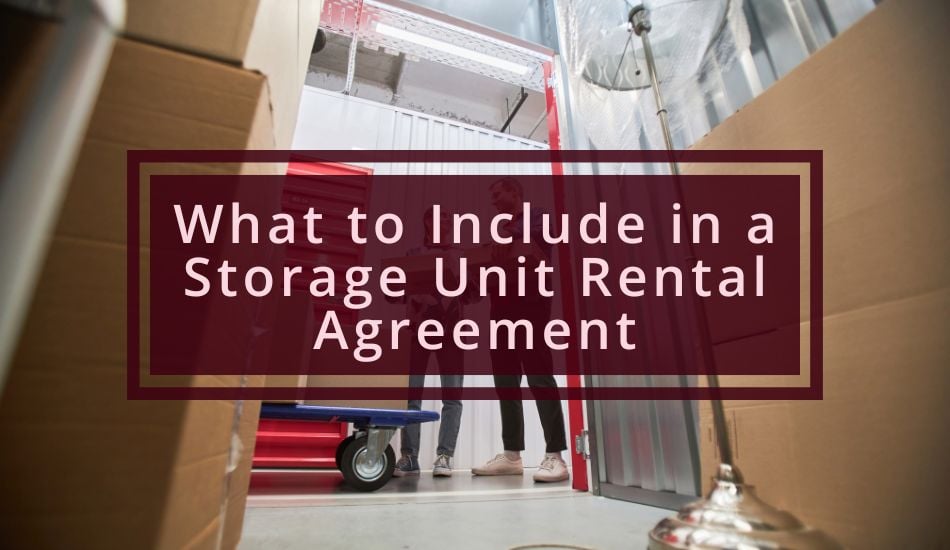
Thinking about investing in storage unit rentals? It’s important to know what you should put in your rental agreement to protect yourself, your tenants, and your investment. Learn about the important components of a rental agreement and the rules and regulations that you should put in place.
Investing in storage units is a great way to build upon your career as a property investor, but equally important is knowing what to put in a storage unit rental agreement. Rental agreements are among the most important elements of any rental process.
In many ways, a storage unit rental agreement is similar to any other agreement, and many of the subjects you should include are the same, but there are some key differences and additional pieces of information to include. A strong rental agreement can make the difference between a good relationship with your renters and a stressful one. Learn about the most important components of a storage unit rental agreement.
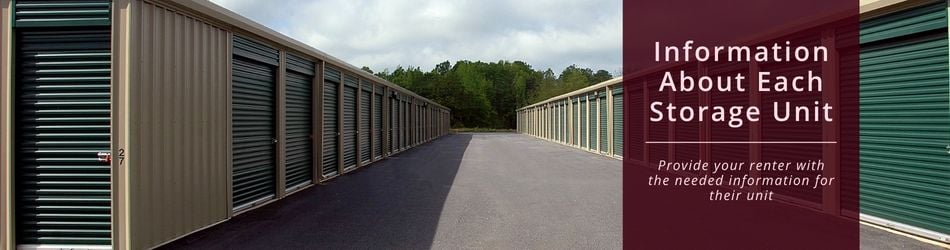
Information About Each Storage Unit
Your various storage unit options should each have photos, dimensions, and the included amenities and security features available for renters. Each individual unit should have the unit number available to the tenant when they choose one. These units should also provide any additional information that may be necessary.
It is also important to include information about the facility as a whole, its size, security measures, and general information about the amenities offered. Some facilities offer air conditioning, shelving, or other similar options to provide residents with built-in storage solutions they may appreciate.
Rent, Security Deposit, and Late Fee Policies
As with any lease or rental agreement, you should outline the financial side of the agreement. Include the expected rent and its payment dates, the security deposit, and the policies surrounding late fees. While the laws are different from property rental, make sure you are aware of the laws pertaining to your security deposit and late fee policies to prevent any legal issues or disagreements with your tenant.
Learn more: Guide to Late Rent Fees for Landlords and Property Managers

Insurance Policies and Liability
If you want your renters to be required to purchase insurance, putting it in your lease is the best way to ensure they do so. Additionally, you should ensure you establish liability protections. Each lease should state that any security measures do not make the facility liable for any damage to the renters’ personal property.
It is also common for storage units to create a limit on the maximum value of items that tenants can store, which can reduce an owner’s risk of liability in a lawsuit. Some self-storage owners also have their renters sign a statement that they will not hold the storage company liable for any lost property. It should be noted, however, that this doesn’t always guarantee that you will not be sued, especially if the renter can prove negligence on your part, so you should still create as many protections as possible for your renters’ possessions.
General Rules and Consequences
General lease rules are a requirement for any lease, including a storage unit. Rules such as those pertaining to hazardous substances, tenant behavior, and when renters, owners, and any security personnel can enter the unit should all be included in the lease rules. You may also find a need for subleasing and maintenance expectations, as well as phone and email contact consent forms.
Including the consequences of rule breaks can be a good way to prevent tenants from breaking those rules, as they know from the beginning of their agreement that your rules are firm and not to be tested.
What Happens to Abandoned Property
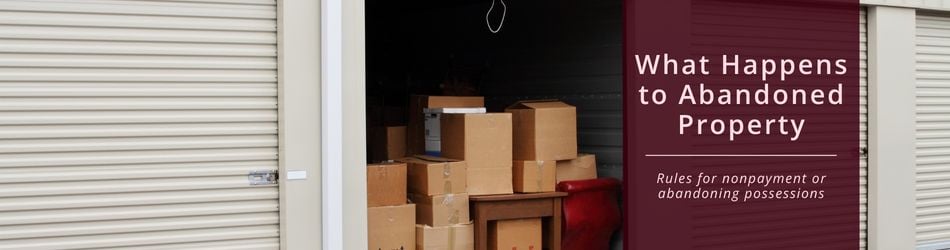
You should also outline in your lease a policy for the handling of abandoned property. It is a common occurrence among storage unit renters to abandon property, so creating a policy about what you will do with it is important. A common way for storage unit owners to handle abandoned property is a storage lien and auction process. This is a way for the owners to recoup some of the money lost by a tenant who stopped paying for their storage unit.
Final Thoughts
If you want to invest in storage unit rental facilities, your leases are among your most important protections. Using these tips to create a strong lease or rental agreement can help you ensure that you and your tenants have an easy, streamlined process to make renting a breeze. Consider these tips next time you need to create a lease.