
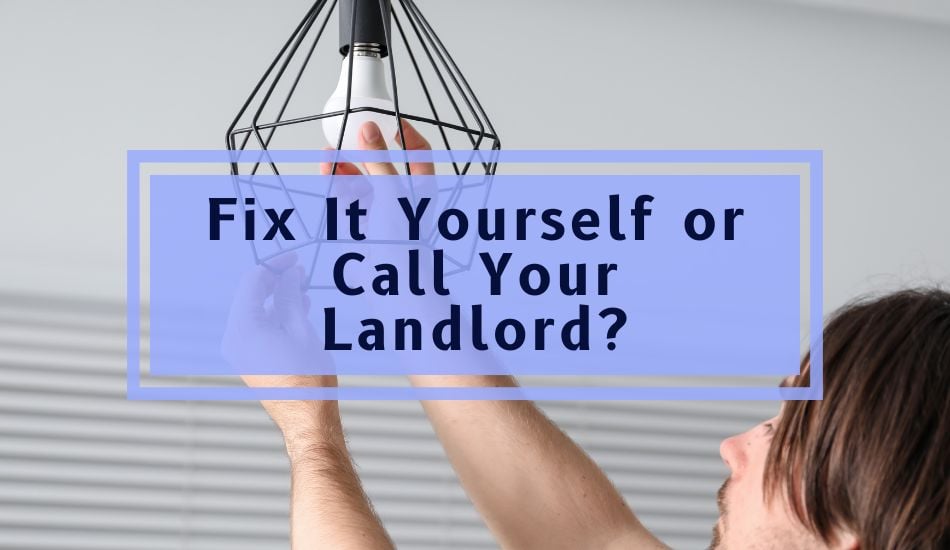
It is an inevitable part of renting that something in your home will need to be fixed. As a tenant, it is important to know what you can fix yourself and what to leave to your landlord. Learn about DIY repairs, when to call your landlord, and what to do in a maintenance emergency.
Maintenance issues and appliance breakdowns are a common problem for anyone, whether they own or rent their home. Everyone has had something break, and repairing the damage is an essential part of living in a home. This can be stressful, but it’s common, repairable, and rarely anyone’s fault.
When something breaks in your rental home, it can be tempting to fix it yourself, but it is important to know what you can and cannot fix yourself, and when you should call your landlord to organize a repair.

What You Can Fix Yourself As a Renter
What problems you can fix yourself depends largely on your skill level with home maintenance. Some people have experience maintaining a wide variety of home systems, while others have little or no experience whatsoever. Either way, it is important to understand what you should repair yourself vs. what you can, but should defer to your landlord to handle.
Repairs you can and maybe even should handle yourself include:
- Changing lightbulbs
- Resetting tripped circuit breakers
- Changing smoke detector batteries
- Fixing minor clogs in pipes
- Exterminating minor pest problems, such as ants
Some lease agreements might place additional responsibilities on you as a tenant. Yard maintenance, replacing HVAC filters, or other seasonal maintenance may be up for discussion with a landlord or outlined in your lease. Some landlords prefer to hire contractors for yard work or replace HVAC filters during inspections.
When to Call Your Landlord for a Repair
Any major maintenance or repair tasks require a landlord or property manager’s approval and involvement. Even if you know how to repair something yourself, most landlords prefer to hire someone, since they have a clearer path of recourse if the repair isn’t done properly. Appliance repair, holes in walls, leaks, and electrical issues beyond simply tripping a breaker should all warrant a call to your landlord or property manager, and many other cases beyond simple five-minute repairs should as well.
Your lease may also provide guidelines for additional circumstances that require a landlord to be notified. As a general rule, if a repair requires a level of know-how or more than a few minutes, it should warrant a call to the housing provider.
Learn more: How to Prioritize Maintenance Requests
What Renters Should Know About Emergency Repairs
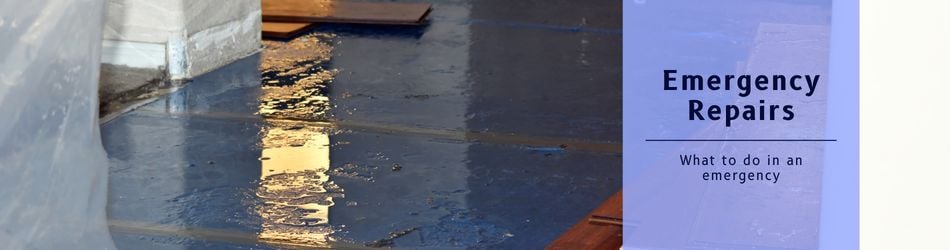
Some breaks are emergencies, while others are smaller problems that may not warrant immediate attention. A hole in an interior wall may wait, while a broken refrigerator will be addressed as soon as possible. Fire, flooding, and other problems that can cause immediate damage or safety hazards will be addressed immediately. However, nonessential features, such as a leaking faucet, may be deprioritized if there are other, more pressing matters. That said, they should still be addressed as soon as a landlord is able to get to them.
No matter what the problem is, you should always inform your landlord as soon as you notice it. They can decide if the break requires immediate action and arrange repairs accordingly. Typically, cosmetic damage will be noted but not prioritized. In some cases, cosmetic repairs are done between tenants to reduce how often maintenance is dispatched to one unit.
Learn more: Renters Insurance: Benefits for Landlords and Tenants
Final Thoughts
Damage, wear, and maintenance issues require attention, but you don’t need to handle everything as a renter. Any time a problem crops up that cannot be easily and quickly addressed by you independently, you should call your landlord. They will arrange repairs, handle continued maintenance, and resolve these issues on your behalf.
Don’t be afraid to call your landlord when necessary; it is part of their job to attend to these problems. Most landlords will be grateful to receive the call as promptly as possible, and they can resolve the issue more easily with a prompt response. Contacting your landlord is an essential part of being a renter, and not having to worry about arranging or conducting repairs is one of the benefits of renting rather than owning your home.