

If you’re considering investing in micro-apartments, it’s important to learn about them. Explore the world of micro-apartments with this overview, and learn about the potential market of tiny big city apartment living. Learn about micro-apartments, why renters are choosing them, the locations they are popular in, and the benefits and drawbacks of micro-apartments for renters and housing providers alike.
The last few years have seen a rise in the number of Americans choosing to live in smaller spaces. People are increasingly choosing housing in smaller sizes, including both apartments and standalone homes. With this trend, some housing providers are considering investing in small apartments in major cities to attract these renters. But to join the trend, you must first learn about it.
Micro-apartments, along with tiny homes, are a response to the nationwide housing crisis, providing small, affordable homes for people who may otherwise struggle to find housing. Additionally, micro-apartments allow people to afford city housing, even if they don’t make enough money to afford the typical cost of housing in those areas.
Micro-apartments are a form of tiny home, which consists of an apartment that is below 500 square feet in size. These tiny apartments are often designed with efficiency in mind, providing storage solutions and components to enable the use of these small living spaces. These apartments often appeal to students and other young adults, but can make a perfect home for a wide variety of people.
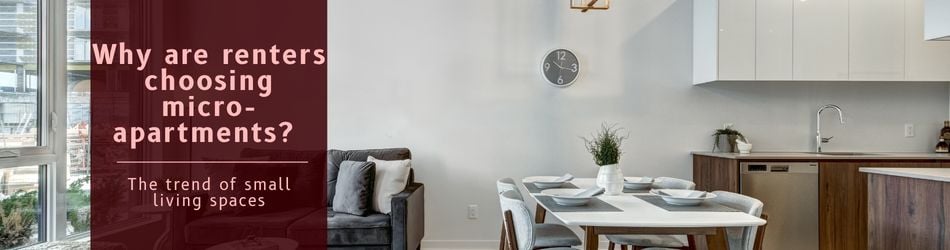
Why are renters choosing micro-apartments?
There are a variety of reasons why some renters are choosing to live in micro-apartments, and not every resident’s reasoning is the same. However, there are a few common denominators in many of these micro-apartment residents’ preferences.
First among these reasons is cost. Everyone loves a housing situation they can easily afford, especially those who don’t bring in a high income. Many people do not need or want large living areas, so paying extra money for space they don’t want is unnecessary in their view.
Another common reason for these housing situations is the location and lifestyle provided by these small homes. Many people living in micro-apartments love living in the city, and often need to for a variety of reasons. College students typically need to live near their universities, and living close to work, hobbies, or other important components of one’s lifestyle are highly sought-after benefits.

Where are micro-apartments located?
Typically, micro-apartments are located in major cities, especially in busy areas. One of the main draws of these apartments is often proximity to amenities such as restaurants, gyms, stores, desirable workplaces, and parks. As such, it is something of an expectation for any tiny apartment to be in an optimal location. Cities such as Seattle, Washington, San Francisco, California, Honolulu, Hawaii, and Portland, Oregon, are known to have some of the highest numbers of micro-apartments in the country.

Pros And Cons Of Micro-Apartments
Micro-apartments can be highly beneficial to people who want or need to live in large cities, whether for work, schooling, family, or other reasons. They can live in cities for lower expenses than a larger home would entail, which helps people to save money, especially if they wouldn’t otherwise be able to afford a home in the city. These benefits are highly important to young professionals, students, and others who may not need a lot of living space but need to live in a city.
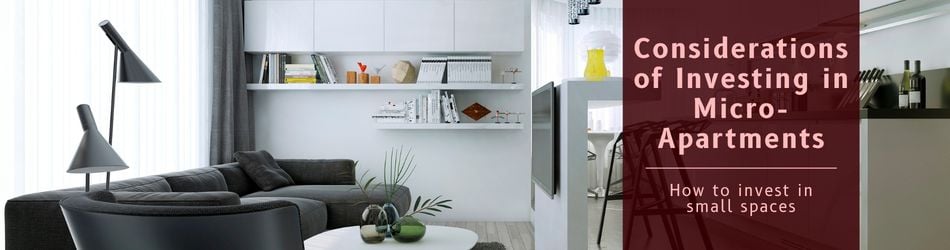
Considerations of Investing in Micro-Apartments
From the perspective of a property investor, building micro-apartments allows you to get more out of one parcel of land or one building. Building several small, well-designed micro-apartments can allow you to bring in more tenants than a smaller number of larger, more traditional apartments. While individual rents for these small spaces are typically much lower, the number of tenants living in them is higher.
However, these living arrangements aren’t for everyone. Families, for example, might struggle in such a small living space. A small studio apartment might be practical for a single person or a couple without children, but families typically require more space. Children, especially older children, need privacy and room to grow. As such, these spaces are far more beneficial for younger people, childless people, or empty nesters, who no longer need the kind of space they would have with at-home children.
Additionally, even people who fit in the categories that may benefit from a micro-apartment may prefer to have more space. Micro-apartments are not for everyone, especially since not everyone enjoys a small, compact living space. But, if it fits your lifestyle or the lifestyle of your target demographic as a housing provider, micro-apartments can be an excellent investment.
Learn more: Best Marketing Tips for Filling Rental Vacancies Fast

Final Thoughts
Micro-apartments are an increasingly common rental trend, and one that may only increase as the need for affordable housing does. They provide ideal housing situations for many, but they are not for everyone. As such, it is important to consider the lifestyle associated with these homes, whether you want to live in one or intend to purchase them for rental purposes.