
This industry outlook explores US housing news and updates: The end of 2025 has seen dropping rental rates, increasing incentives for new renters, as well as an increase in the median age of first-time home buyers, and a trend of digital rent payments.
Among the many responsibilities of being an investor or real estate professional is keeping track of the industry’s changes. The year-end news is key as you make plans and projections for the state of the industry moving into 2026. Being aware of changes in laws, statistics, and trends within the rental industry is essential to the profession. This knowledge ensures that you remain up-to-date and competitive within your market.
For some people, this is an easy and enjoyable task, allowing them to spend much of their time reading the news and learning about current events. However, not everyone wants to spend all of their time researching the industry. Regardless of which category you fit into, this news recap can help you stay up to date with this month’s current events.
Dropping Rent Rates and Rising Concessions and Incentives
CNBC reports that the national median rent has decreased in the last two months, with a 1% drop from October to November. November’s multifamily vacancy rate hit a record high of 7.2%. The United States is seeing some of the most affordable rent rates in many years, due to increasing vacancy rates. This may forecast a cooling off of the 2026 rental market.
This has created an environment that promotes rental concessions and incentives for new renters. These incentives include temporary rent reductions, free parking, and other similar small perks. According to the American Apartment Owners Association, 37.3% of active Zillow listings have some kind of incentive included, showcasing a huge spike from the 14.4% reported in 2019.
In total, apartment rental costs have seen a 5.2% decrease since 2022, but multifamily rentals have increased by 28.2% since the pandemic. This indicates significant jumps in pricing, but smaller drops.
Learn more: Struggling with Rental Vacancy? 5 Tips to End Vacancy – Video
Median First-Time Buyer Age Hits 40
The median age of individuals buying their first home has risen to 40 years old. This means that renters encompass a large section of the under-40 crowd. Only about 4% of buyers are under 24, and 64% of buyers are over the age of 35. 87% of all home buyers, both first-time and repeat buyers, are also over 35.
Additionally, the last few years have seen significant increases in down payments. The number of buyers who purchase their homes in cash has also jumped to 26%. Renters appear to be spending more time to save money before they purchase, resulting in both a higher buying age in addition to a higher percentage of cash buyers.
Although prices for most things are ever-increasing, according to an article from CNBC, the prices of homes have decreased for the first time since 2023. In the last three months, home prices have dropped by 1.4%. This drop will most likely enable people to get onto the property ladder more easily than they have in the past few years.
Studies Show That Tenants Prefer Online Rent Payments
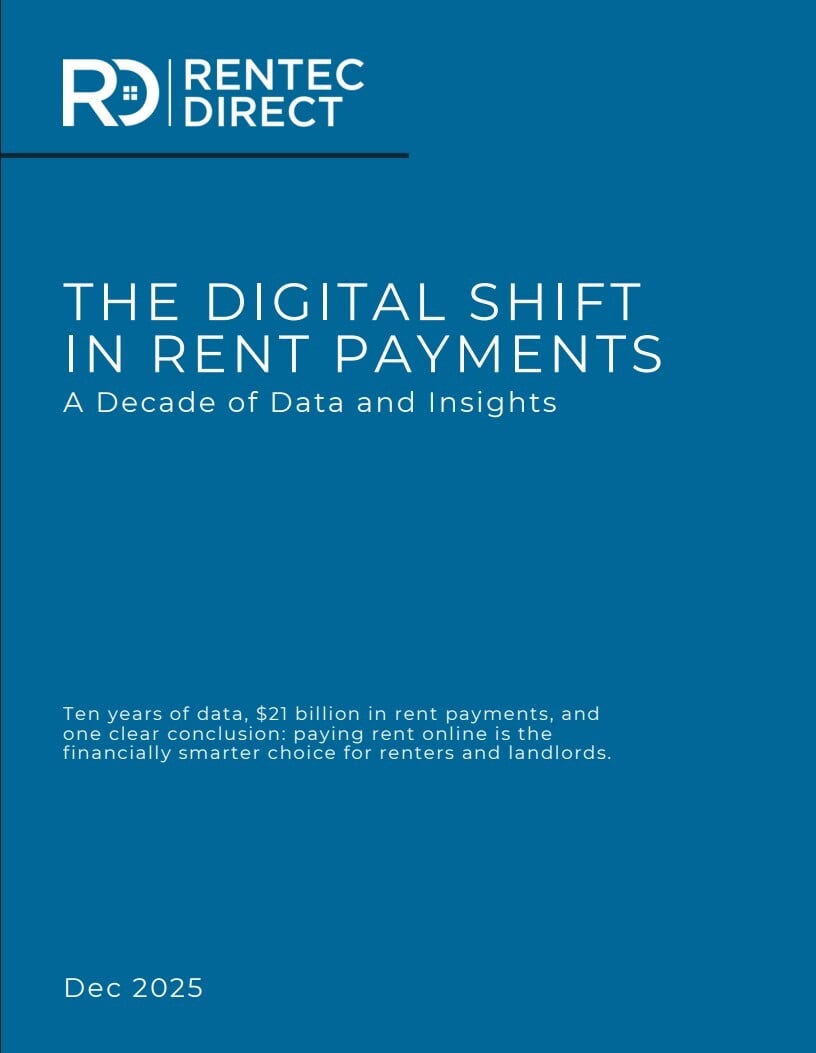
GlobeSt. reports on a new study conducted by Rentec Direct, highlighting the benefits of online rent payments. While there are many benefits to digital rent payments, one of them is renter convenience, a benefit which, in turn, attracts more renters. Another benefit is security for the landlord, as renters paying offline are 23% more likely to pay their rent late.
Additionally, the use of digital payment platforms has skyrocketed in the last several years, from a 4% rate ten years ago. It jumped from 23% to 38% from 2019 to 2022. Today, more than half of all renters pay their rent digitally, owing to the ease of it.
This significant jump is believed to be largely associated with COVID-19 and the lockdowns associated with it. As with many things during the pandemic era, rent payments often became digitized, and when the lockdowns ended, many landlords, property managers, and renters enjoyed the streamlined process.
These online payments prevent many renters from incurring late fees and help prevent landlords from missing rent. When using offline methods, it is easy to encounter issues with mail services, banking issues, or simple human error. However, online payments make for much easier payment solutions and enable renters to ensure that they are not late. Additionally, they are often easier to track for a landlord or property manager.
View the full report: The Digital Shift in Rent Payments: A Decade of Data and Insights
Final Thoughts
The landscape of renting changes frequently, with trends, market shifts, and many other elements of the system in constant flux. Keeping on top of these changes is the best way to predict the situations you may face in the near future. However, this process is easy with the aid of news recaps and other similar systems.