
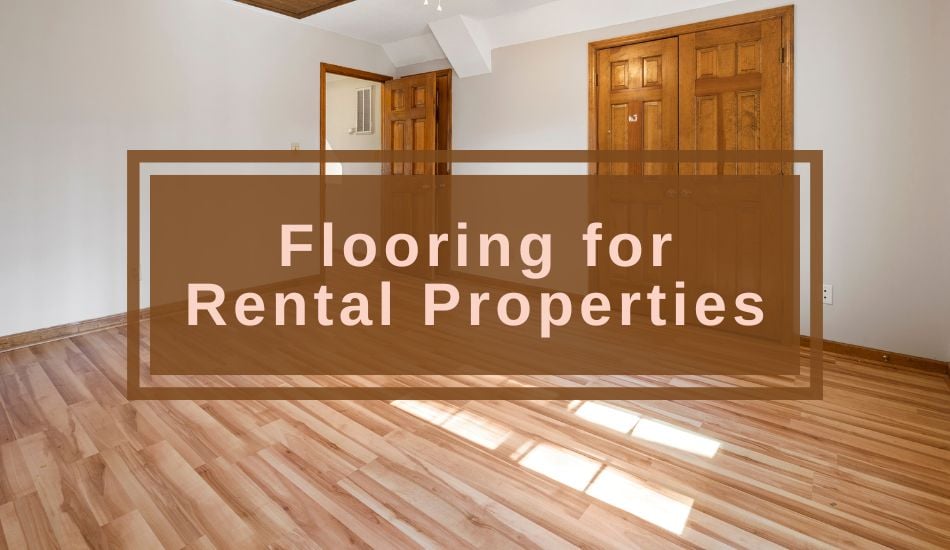
Want to learn about flooring for your rental properties? There is a lot to consider when installing new floors in your rental property, ranging from the kind of flooring you should install to the maintenance and replacement schedule you should develop for your properties.
If you’ve ever had to choose what flooring to install in your home or rental property, you’ve had the question of what to install come up. There are benefits and drawbacks to each kind of flooring you can install, so it is important to consider what these factors are and which drawbacks are easiest to manage for the benefits that the flooring options provide. Some options are cheaper than others, while some are more durable, last longer, or simply look better. Some tenants will pay higher rents for amenities like real hardwood floors or tile.
But the kind of flooring is only the first question you are faced with when making these installation decisions. You need to know when to inspect your rentals’ floors, when it needs to be replaced, and what kind of maintenance is required to keep these floors at their best. Bear in mind that, even with the same general kinds of flooring, the details can make a massive difference. Not every carpet is the same, and some laminate floors last far longer than others. Some laminate flooring is waterproof, while others are not.

What Kind of Flooring is Best?
One factor you should consider when selecting flooring is whether or not the property is pet-friendly, as pets can damage certain kinds of flooring much more easily than others, such as carpet. Generally, the options you have include:
- Tile
- Laminate
- Hardwood
- Carpet
- Vinyl
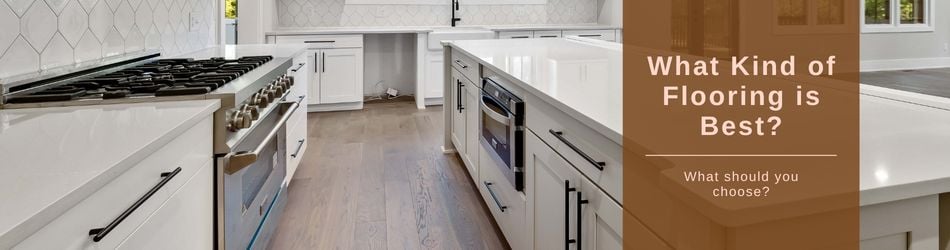
While most properties will have more than one type of flooring, you should aim to mix and match based on what fits your property and tenant needs the best. Personally, as a renter, I strongly dislike carpet, since it traps dirt, odors, and pet hair more than hard floors, but many landlords like it because it is comfortable and reduces noise. Hardwood is often considered the ideal by homeowners because it can last decades and tends to look better worn-in than most other flooring options. However, it is expensive and requires maintenance, so most landlords aren’t willing to invest in putting hardwood into their properties. Vinyl, tile, and laminate are often good options for rental properties, as they are lower-maintenance than hardwood and typically last longer than carpet. That said, vinyl and laminate flooring are also susceptible to water damage, and tile can be extremely heavy, which not every home is equipped for.
How to Maintain Your Floors
Regardless of what kind of floor you have, regular maintenance will help you get the maximum life out of it. Not every kind of maintenance can be done by a landlord, and you will have to rely on your tenants taking care of their home day-to-day, but you can schedule routine maintenance, such as carpet cleaning, to ensure that floors are as well-cared for as you can. Depending on where hardwood is located and how active the people living in the house are, it may need to be refinished anywhere from every 3-5 years to 10-15 years or longer.
Other options do not need specialized maintenance, but should be inspected regularly. Vinyl and laminate flooring are particularly susceptible to water damage, so they should be checked with every inspection you conduct.
Learn more: How to Develop an Annual Maintenance Plan
How Often Should Flooring Be Replaced?
When replacing your flooring, you can use it as an upgrade incentive for some of your tenants. Good tenants who have stayed in a property long-term often greatly appreciate the upgrades, and standing upgrade incentive policies can be an excellent way to encourage consistently well-behaved tenants who take care of their rentals, including the flooring.
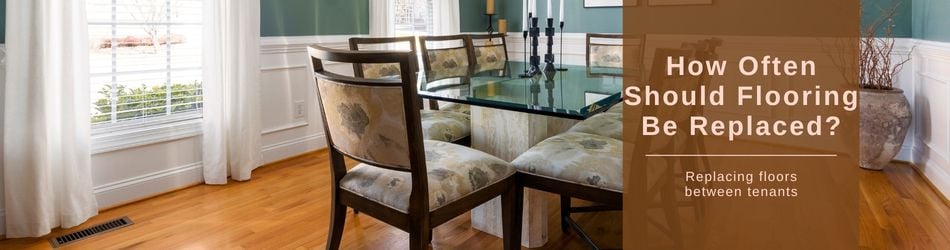
The type of flooring you have impacts how frequently you need to replace or maintain it. For example, carpet typically has a shorter lifespan than other flooring, but hardwood floors often need more careful and frequent maintenance to get the maximum lifespan out of them. Carpet often needs to be replaced entirely between tenants, but hardwood often needs maintenance between them.
Final Thoughts
Ultimately, there are benefits and drawbacks to any kind of flooring you may want to install, so you should base your decision on what you’re willing to do to maintain it. Are you willing to replace carpet every few years? Or perhaps you’d rather continually refinish the hardwood in your rentals to get the maximum life expectancy? Whatever you choose, ensure you do your research on your chosen material and the installer to get the most out of your flooring choice. Remember that some materials, specifically hardwood and tile, are considered luxuries and can often result in renters being willing to pay higher rents.