

While some cities can be excellent rental markets, not every location is perfect for beginner landlords. Learn about the most challenging rental markets in the United States, why they may be beneficial for experienced landlords but challenging for new ones, and the areas that might make better starting points nearby.
Buying your first property is exciting, whether you’re buying your first home, your first investment property, or a property you plan to make both. The first step in this process is selecting an area for your home, and it is arguably among the most important of them. Not every housing market is equal, as regions can vary widely depending on a city’s size, its industries, and its geographic location. As such, it is important to choose your location carefully, depending on what you can afford, the benefits you’re looking for, and, as a would-be landlord, the rental market in the area.
It will probably come as no surprise that many of the worst cities to purchase a first house or investment property are coastal. Anyone who has lived in a coastal state knows how expensive the region is. As a Pacific Northwest resident myself, I am painfully aware of how challenging the real estate market can be here without proper research. While not true for every city in the region, many of the big cities have high housing costs, high crime rates, and median incomes that do not offset the cost of living.
As a companion to our list of five of the best cities to buy your first home or investment property, here are five of the worst cities in the United States to buy your first home or investment property. While it is possible to successfully invest or buy in these areas, it is recommended for a careful planner or a more experienced investor. These cities may be excellent investments for experienced landlords, as many of them have thriving rental markets and strong economies, but come with their own share of obstacles for first-time buyers or new landlords.

Oakland, California
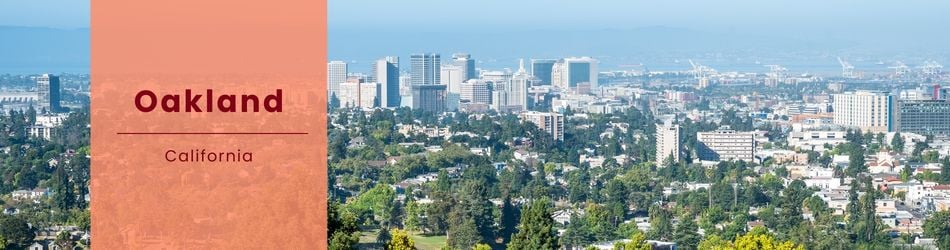
Nestled in a central location for much of Northern California’s draws, Oakland is a city that draws a lot of attention. With its charming architectural style and central location, close to San Francisco and Berkeley, it is an enticing location for would-be property investors and homeowners alike. However, there are a few downsides to this area that might put off new investors.
Between its U.S. News ranking as the second most dangerous city to live in, its sky-high housing prices of nearly $950,000 median, and its comparatively low median income of $105,000, Oakland is generally not recommended as a first house location.
The cost of housing in Oakland is well over twice the national median of $396,800, but the median income in the area is only 22% higher than the national median of $82,000. As such, while residents will make more money than the average American, purchasing a house will take far more of their income than it would in other cities.
While this specifically calls out Oakland as a less-than-ideal choice for a first investment, this point applies to any major city or popular region in California. Other cities in California vary, such as Cupertino, which ranks among the best cities to live in, but they are typically extremely expensive, with wages that do not adequately compensate for the cost. Additionally, California is subject to many complex rental laws that may prove challenging for new landlords to keep track of and comply with.
Experienced landlords might find California to be an excellent location, as it has a high population of renters, but the high cost of a first investment might be prohibitive for people new to the industry.

Manhattan, New York
It is surely unsurprising that New York City is an expensive and difficult market to enter. With even the most affordable rental situations typically upwards of $1,500, Manhattan residents are well aware of the expense of their living situation. However, while that high rental rate might attract a would-be landlord, the cost of investing in an apartment is extremely high. Despite the central location, beautiful city life, and high desirability, it is somewhat challenging to be a landlord in this area.
Manhattan’s median home price is $1,495,000, and the median rent is $5,000, both significantly higher than the national medians. These prices compare with a median income of about $105,000. Considering the gaps in differences between Manhattan and the rest of the United States, with the income only being slightly higher than the rest of the country despite sky-high housing prices, it is easy to see why this area is difficult to live in or purchase property in.
While much of New York City is expensive, challenging to purchase property in, and subject to numerous unique landlord-tenant laws that landlords will need to keep track of, other boroughs, such as Brooklyn or Queens, are more affordable. They are also areas considered to be in high demand, making them better options to start in than Manhattan.
Seattle, Washington
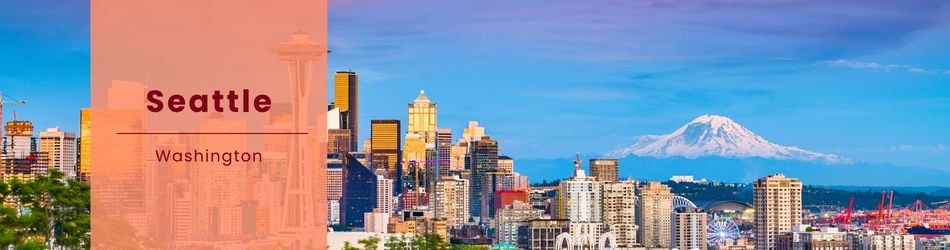
A bustling city known for its tech industry, Seattle is a hotspot for many young professionals. However, it is also an extremely expensive city, with a difficult property market. Over one-third of Seattle residents are renters, making for an excellent rental market, but perhaps not an ideal market for new landlords.
In January of 2026, Seattle’s median sale price for houses was $795,000, double the national median. However, the median income is $124,000, which, while significantly higher than the national median, is not enough to balance the cost of housing. As such, many residents will struggle to afford houses, and people hoping to become landlords will have a difficult time purchasing their first property or properties. It is, however, an excellent location for experienced landlords who can afford more expensive investments.
As many of the towns and cities surrounding the city of Seattle are equally, if not more expensive than Seattle itself, it is challenging to find a nearby area to start in as an investor or homeowner. However, cheaper areas, such as Everett or Bremerton, while not entirely describable as “affordable”, are relatively close to Seattle and easier to purchase than property in Seattle proper.

Boston, Massachusetts
As a large college town with dozens of universities in its region, Boston has a massive number of renters. The U.S. Census Bureau states that only about 35% of owned houses are occupied by the owners.
However, many of Boston’s suburbs are considered a “rental desert”, meaning that fewer than 20% of properties in some of its suburbs are rentals. This is largely due to
zoning laws, which can make it difficult for many property investors to create rental properties. These numerous renters and rentals are confined to the city proper and a comparatively smaller number of areas around it.
The median home price in Boston is $825,000, compared to a median household income of $97,000, which does not come close to matching the cost of purchasing a house. Rents in Boston are similarly high, at $2,147 per month, which is much more affordable for the average Boston resident than a house.
Finding accessible entry points in the Boston area is challenging, with most cities and suburbs in the area having high costs. However, Worcester, Massachusetts, which is an hour outside of Boston, may be a good place to start if you are intent on purchasing property in the area. Its median home price is slightly higher than the national level, but it is a modest price in comparison to that of Boston.
Tacoma, Washington
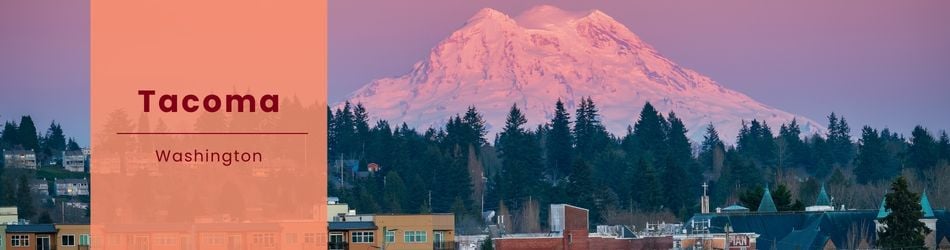
While not as well-known a city as Seattle, Boston, or Manhattan, Tacoma is still a challenging market to get into. As another high-ranking city on the U.S. News list of most dangerous cities to live in, Tacoma has a high crime rate, which deters many families searching for a safe environment. Additionally, Tacoma’s houses are expensive, and its residents’ incomes are only a bit higher than the national median.
With a median household income of a little under under $88,000 and a median house price of just above $506,000, Tacoma residents’ incomes are only 7% higher than average, but their median house price is 22% more expensive than it is on the nationwide level. This makes for an expensive housing situation for most residents, and the Tacoma crime rate is even higher than that of Seattle.
Final Thoughts
These cities may be excellent investments for experienced landlords, as many of them have thriving rental markets and strong economies. But with high costs of living, expensive houses, and sometimes even legal restrictions, it can be challenging for first-time landlords to navigate.
For those searching for homes to live in themselves, similar issues arise. As such, if you are looking to live or invest in a home in any of these, or many other, major cities, consider choosing a town outside of them, where you can take advantage of the many amenities large cities offer, whilst avoiding the expense of living directly in them.